

If you've ever looked at a bottle of vape juice, you've probably seen numbers like "70/30" or "50/50" on the label. Those numbers tell you the VG/PG ratio, which basically means how much Vegetable Glycerin and Propylene Glycol are mixed together. These two ingredients make up most of your e-liquid, and they completely change how your vape feels and tastes. Getting the right balance helps you pick the best vape juice for your style.
What Are the Main Vape Juice Ingredients?
Every bottle of e-liquid contains a few core components that work together. Understanding these vape juice ingredients helps you make smarter choices about what you're vaping.

VG (Vegetable Glycerin) Characteristics
VG is a thick, sweet liquid that comes from vegetable oils. It's what creates those big, fluffy clouds you see people blowing. The thicker consistency means it doesn't soak into your coil as fast, which can be good or bad depending on your setup. VG also adds a slightly sweet undertone to your vape flavors, though most people don't really notice it.
PG (Propylene Glycol) Characteristics
PG is much thinner and runny compared to VG. It's practically flavorless, which makes it perfect for carrying the actual taste of your vape flavors. PG also gives you that throat hit—that scratchy feeling at the back of your throat that smokers are used to. It absorbs into cotton wicks faster because it's so thin.
Nicotine Content
Most vape juice lines are offered in several nicotine strengths—commonly around 0–18 mg/mL for regular (freebase) e-liquids, and roughly 5–20 mg/mL for nicotine salts in many regulated markets, with some regions selling higher-strength nic salt options in the 25–50 mg/mL range. The VG/PG ratio doesn't contain nicotine itself, but the base you choose affects how the nicotine feels when you inhale.
Flavor Concentrates
The actual taste in your e-liquid comes from food-grade flavor concentrates. In many commercial and DIY recipes, these concentrates often sit in roughly the 5–20% range of the total mix, depending on how strong the flavoring is. The VG/PG base carries these flavors to your taste buds, and the ratio you pick changes how strong or subtle those vape flavors come through.
What Are the Pros and Cons of VG vs PG?
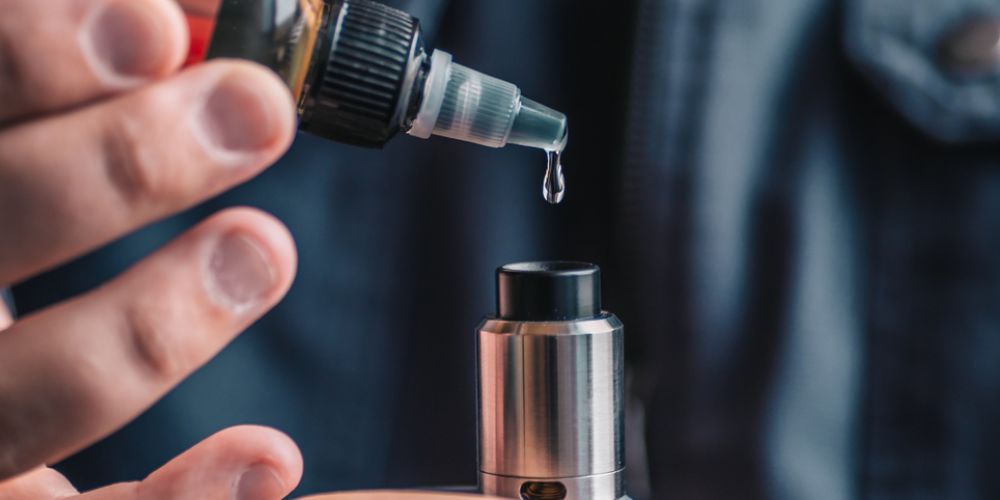
Choosing between high VG or high PG isn't about one being better—it's about what works for your preferences and your device.
VG Advantages and Disadvantages
VG shines when you want smooth hits and massive clouds. It's also gentler on your throat, which makes it great if PG irritates you. The downside? That thickness can gunk up your coils faster, and it doesn't carry flavor quite as well. You'll go through coils quicker with high VG juice, especially on smaller devices that weren't built for thick liquids.
PG Benefits and Drawbacks
PG delivers flavor like nothing else. If you're chasing the best vape juice for taste, higher PG ratios will get you there. It also produces that satisfying throat hit and keeps your coils cleaner. But some people get a scratchy throat or even mild allergic reactions from PG. It makes less vapor too, which matters if you like big clouds.
Allergic Reactions and Sensitivities
A small but noticeable share of vapers report sensitivity to PG, with symptoms like throat irritation, headaches, or dry mouth. If you notice these issues, switching to a high VG mix usually solves the problem. True allergies are rare, but sensitivities are common enough that it's worth paying attention to how you feel.
Impact on Coil Longevity
Here's where things get practical. High VG liquids are thicker, so they leave more residue on your coils. That buildup can shorten coil life, meaning you may need to replace coils more frequently than with thinner, higher-PG liquids, especially if the juice also contains a lot of sweeteners. High PG juices tend to run cleaner and can help extend coil life, but they can be harsher. Many vapers find that commonly used blends like 70/30 VG/PG offer a good balance between vapor production, smoothness, and reasonable coil life in suitable devices.
How Do Different VG/PG Ratios Affect Your Vaping Experience?
The ratio you pick changes everything about how your vape performs. Let's break down what each balance actually does.
High VG Ratios for Big Clouds
Mixes like 70/30 or 80/20 VG/PG are cloud chasers' favorites. That extra VG produces thick, dense vapor that looks impressive. These ratios work best in sub-ohm tanks and powerful mods because the thick liquid needs more heat to vaporize properly. If you're hunting for the best vape juice for clouds, stick with 70% VG or higher.
High PG Ratios for Throat Hit
Going with 50/50 or even 60/40 PG/VG gives you a stronger throat sensation. This feels closer to smoking a cigarette, which is why many people switching from tobacco start here. The thinner consistency also works better in basic pod systems and older vape pens that can't handle thick juice. Compact MTL-focused pod kits like the VAPORESSO XROS 4 or XROS 4 NANO are built around this style of vaping, using XROS pods that work well with balanced 50/50 blends and nicotine salts to deliver a clear throat hit and strong flavor in a small device.
Balanced Blends
A 50/50 split gives you a middle ground—decent flavor, moderate clouds, and a reasonable throat hit. This ratio is the most versatile because it works in almost any device. Many people consider this the best vape juice ratio when they're still figuring out what they like.
Device Compatibility Considerations
Your device matters more than people realize. Pod systems and mouth-to-lung tanks need thinner juice (higher PG) because their small wicking ports can't keep up with thick VG. Direct-lung tanks and sub-ohm setups handle high VG just fine because they have bigger juice channels. Using the wrong ratio in your device leads to dry hits or leaking. Many modern ecosystems, such as the VAPORESSO XROS pod family, are specifically designed to be compatible with both freebase and nic salt e-liquids across a range of VG/PG ratios, making it easier to experiment without changing devices.
Which Vape Flavors Work Best with Different Ratios?
Your VG/PG mix doesn't just affect vapor and throat hit—it actually changes how your vape flavors taste.
Fruit Flavor Performance
Fruit vape flavors tend to pop more with higher PG content. That thinner base carries bright, sharp notes better than VG does. A strawberry or mango juice at 50/50 will taste more vibrant than the same flavor at 80/20 VG. If fruit is your thing, don't go too heavy on the VG.
Dessert and Cream Flavors
Creamy, bakery, and dessert flavors actually benefit from higher VG. The slight sweetness of VG complements custards, vanillas, and cake flavors. These thicker vape flavors also feel more satisfying with the smooth inhale that VG provides. A 70/30 VG blend works beautifully for these profiles.
Tobacco and Menthol Options
Tobacco flavors usually need that PG throat hit to feel authentic. Menthol and mint can go either way, but many people prefer them with more PG because it creates a sharper, cooler sensation. These are cases where the best vape juice depends on replicating a specific feeling.
Complex Multi-Layer Profiles
When you've got multiple flavor notes happening—like a vanilla tobacco with caramel, or a berry menthol—a balanced ratio helps. Too much VG mutes some of the subtle notes, while too much PG can make complex mixes taste harsh. Somewhere around 60/40 or 65/35 VG/PG lets all the layers come through without overwhelming your palate.
3 FAQs about VG/PG Ratios and Mixing
Q1. Can I Mix Different VG/PG Ratios Together?
Yes, you can absolutely blend two bottles with different ratios to create something in between. If you've got a 70/30 VG juice that's too thick and a 50/50 that's too harsh, mixing them gets you around 60/40. Just pour equal amounts into a clean bottle and shake it up. This trick is useful when you're stuck with juice that doesn't quite work for your setup. Keep in mind that you're also mixing the flavors, so it works best with similar vape flavors or unflavored bases. Some vapers even use a vape juice calculator app to figure out exactly what ratio they'll get when combining bottles.
Q2. Does VG/PG Ratio Affect Nicotine Absorption?
The ratio itself doesn't change how much nicotine you absorb, but it affects how quickly you feel it. PG is thinner and gets absorbed faster in your lungs, so you might feel the nicotine hit quicker with high PG juice. VG produces more vapor, which means you're potentially inhaling more total liquid per puff, but that doesn't necessarily mean more nicotine. What matters most is the actual mg/ml nicotine strength on your bottle and how deeply you inhale.
Q3. Why Does My DIY Vape Juice Taste Different Than Store-Bought?
Homemade mixes often need time to steep—basically letting the flavors blend together for a few days or weeks. Store-bought juice has usually already been sitting for a while before it reaches you. The VG/PG ratio in your DIY vape juice also needs to be measured carefully, because being off by even 10% can change how flavors come through. Many DIY mixers use a vape juice calculator to get their ratios and nicotine levels exact. Temperature and steeping time make huge differences in how finished your juice tastes.
Conclusion
Getting comfortable with VG and PG ratios takes some experimenting, but it's worth it. Start with a 70/30 or 50/50 mix and adjust from there based on what your device handles and what feels good. Try different ratios with your favorite vape flavors to see how the taste changes. Don't be afraid to switch things up—finding your perfect best vape juice is part of the fun.


